Restoring Visual Harmony to Your Skin
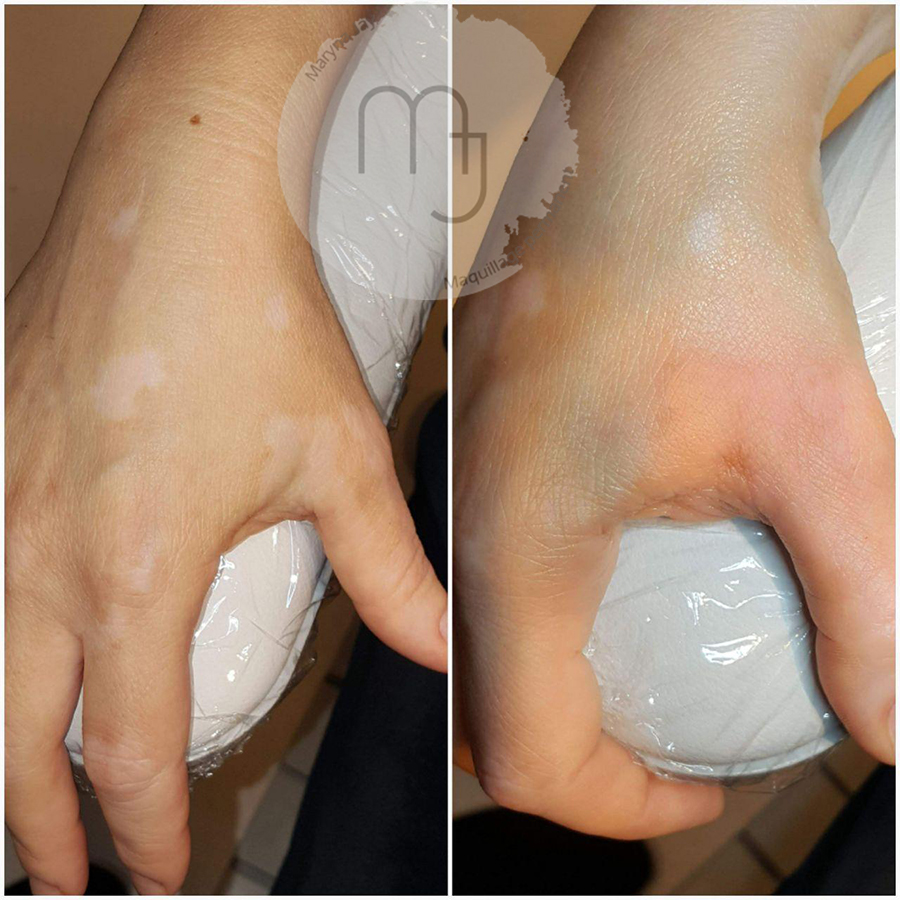
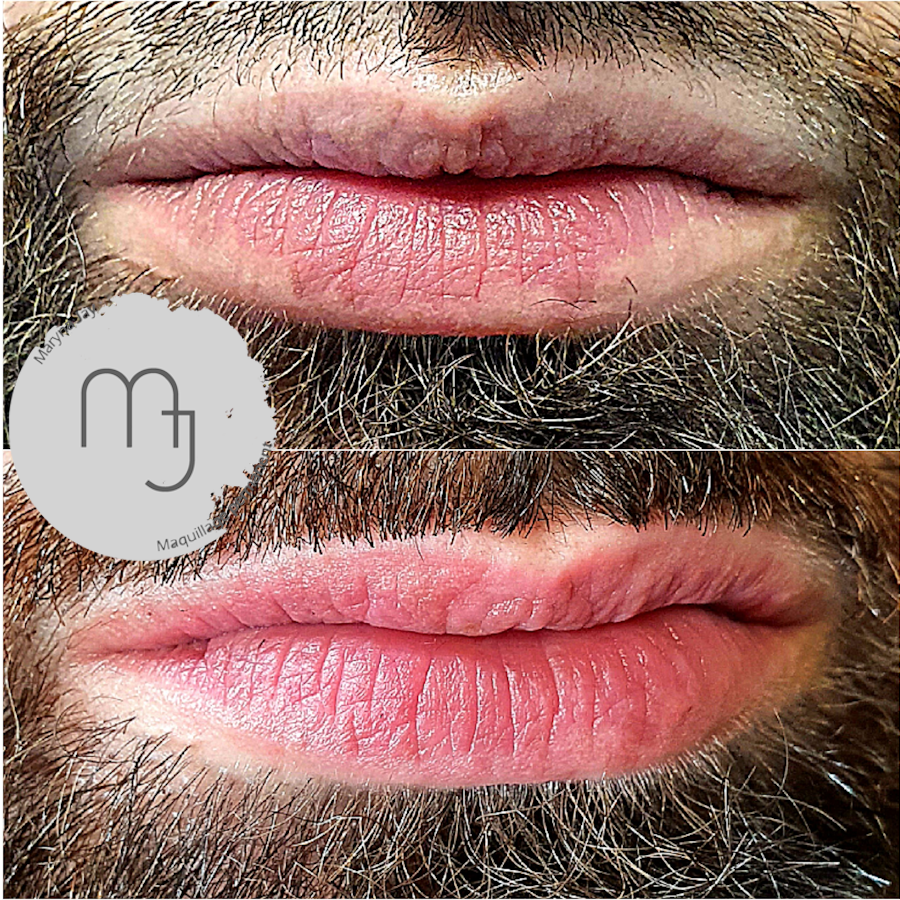
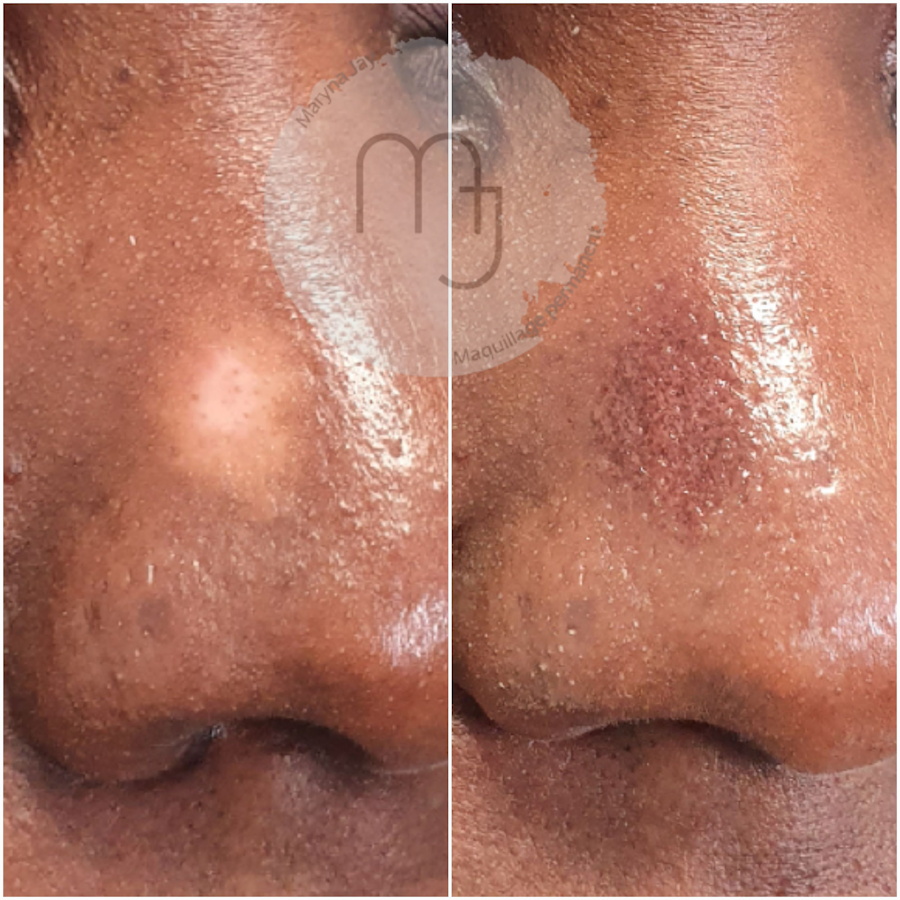
When vitiligo has remained stable for more than a year, restorative dermopigmentation can offer a subtle aesthetic solution to soften the contrast between depigmented areas and the surrounding skin.
Using carefully selected pigments matched to your natural skin tone, the depigmented area is blended harmoniously with the surrounding skin on the face or body, creating a subtle and natural-looking result.
A Treatment Protocol Tailored to Your Skin
Every skin is unique, and every vitiligo camouflage treatment requires an equally personalised approach.
During your initial consultation, we take the time to assess the stability of your vitiligo and discuss your individual aesthetic expectations.
Through precise colour-matching tests, I select the shade that most closely matches your natural skin tone, with the aim of creating a smooth, harmonious and almost imperceptible transition between the treated area and the surrounding skin.
The procedure is performed under rigorous hygiene conditions, using sterile, single-use equipment and REACH-compliant pigments that meet European standards, in a professional and reassuring environment where your skin and individual journey are treated with the utmost care.
Subtle, Natural-Looking Results
Changes gradually become visible over the first few weeks: the contrast between the depigmented area and the surrounding skin is softened, creating a more even and harmonious appearance.
The colour gradually settles over approximately four to six weeks, revealing a natural-looking result with a seamless transition between the treated and surrounding skin.
Vitiligo dermopigmentation forms part of Maryna Jay’s aesthetic and restorative approach to permanent makeup in Paris. As with scar and burn dermopigmentation, a personalised assessment is essential, particularly for medium and dark skin tones, where precise colour matching and the stability of the area being treated are especially important.

 English