Restoring a Natural, Harmonious Appearance to Your Skin
Following surgery, a burn or trauma, a scar may remain lighter, darker or simply more visible than the surrounding skin.
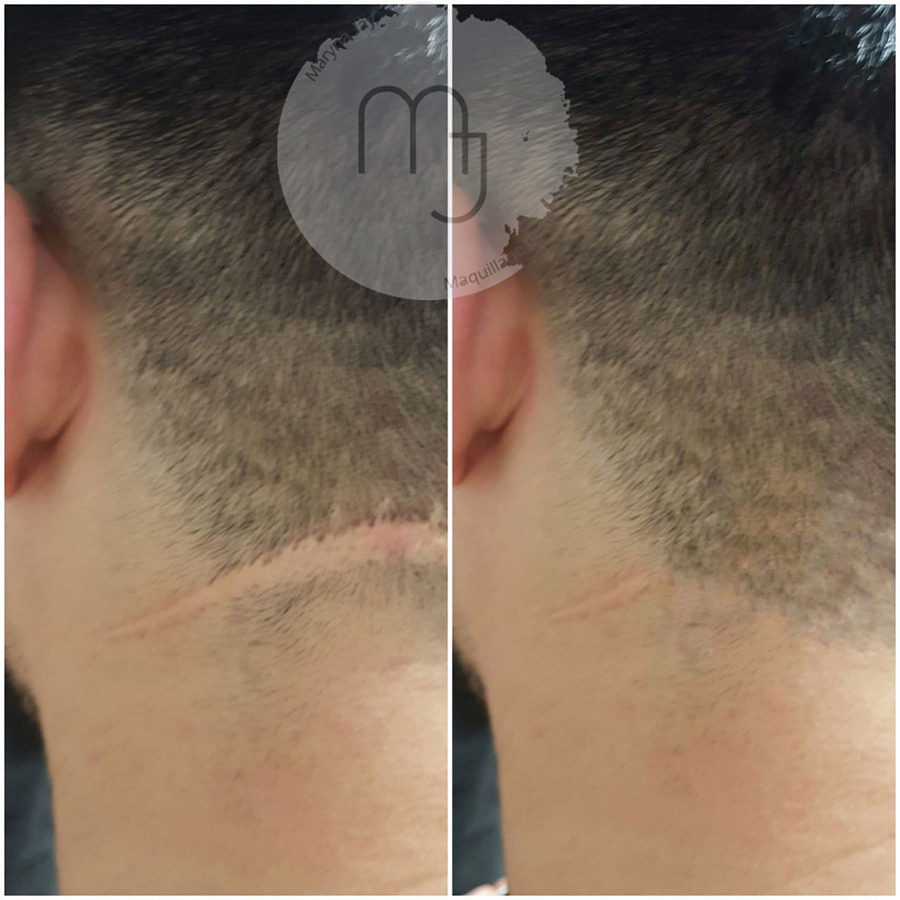
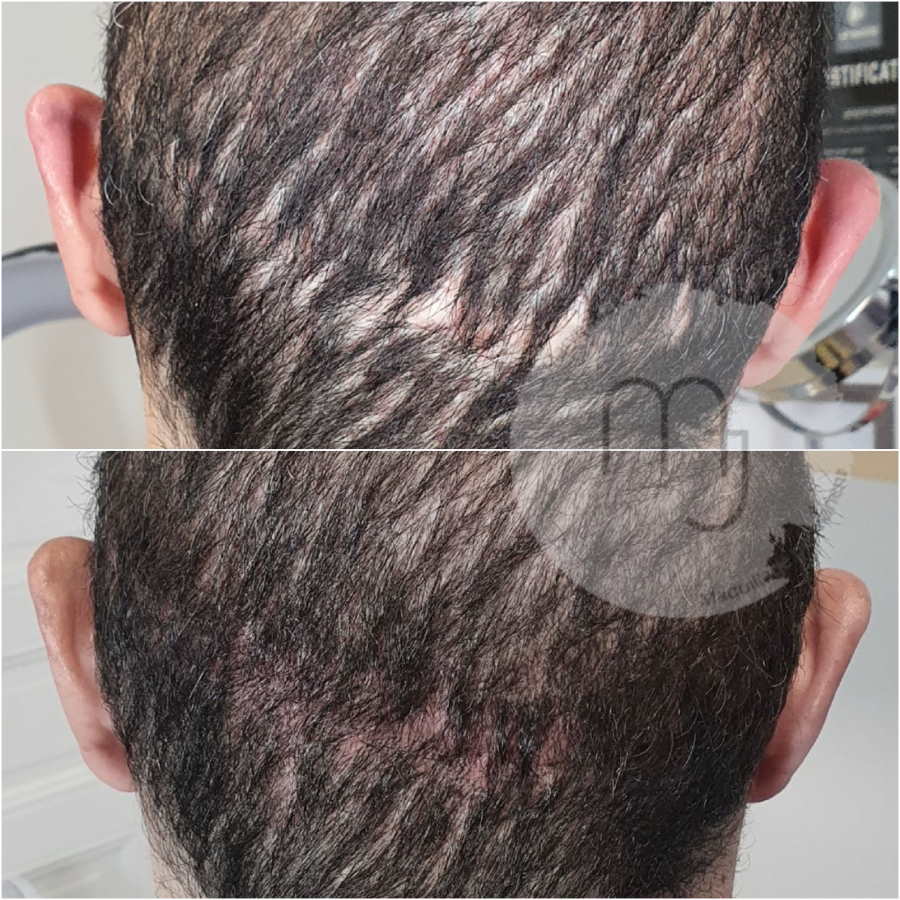
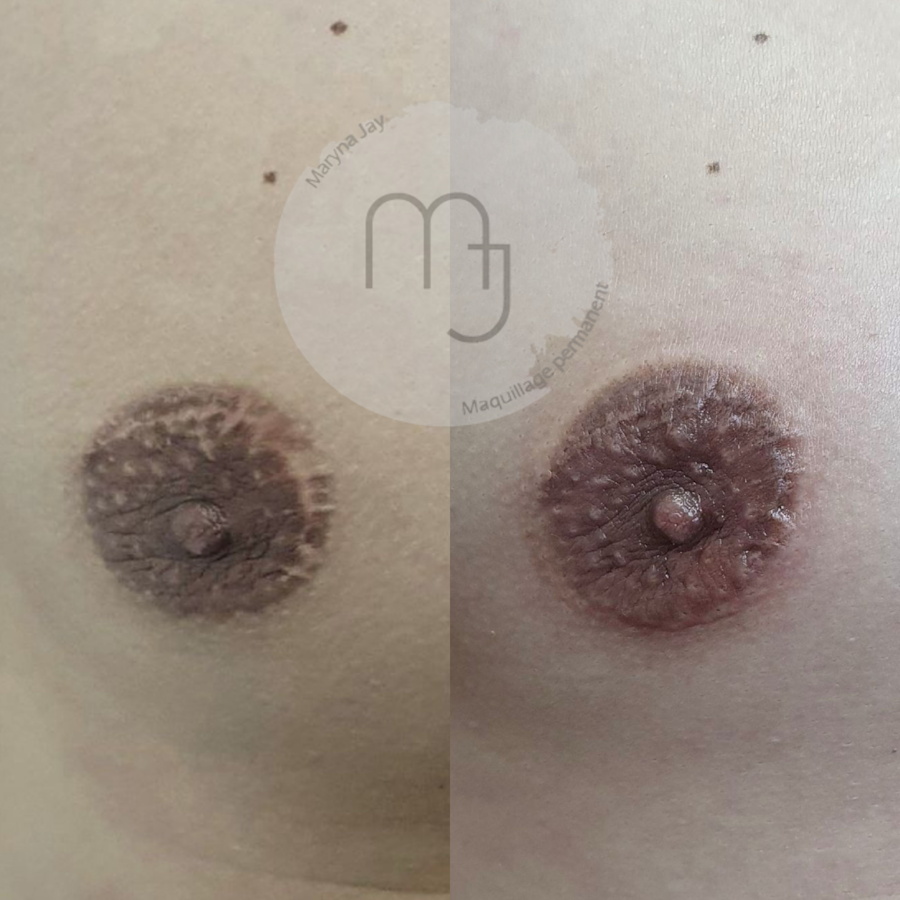
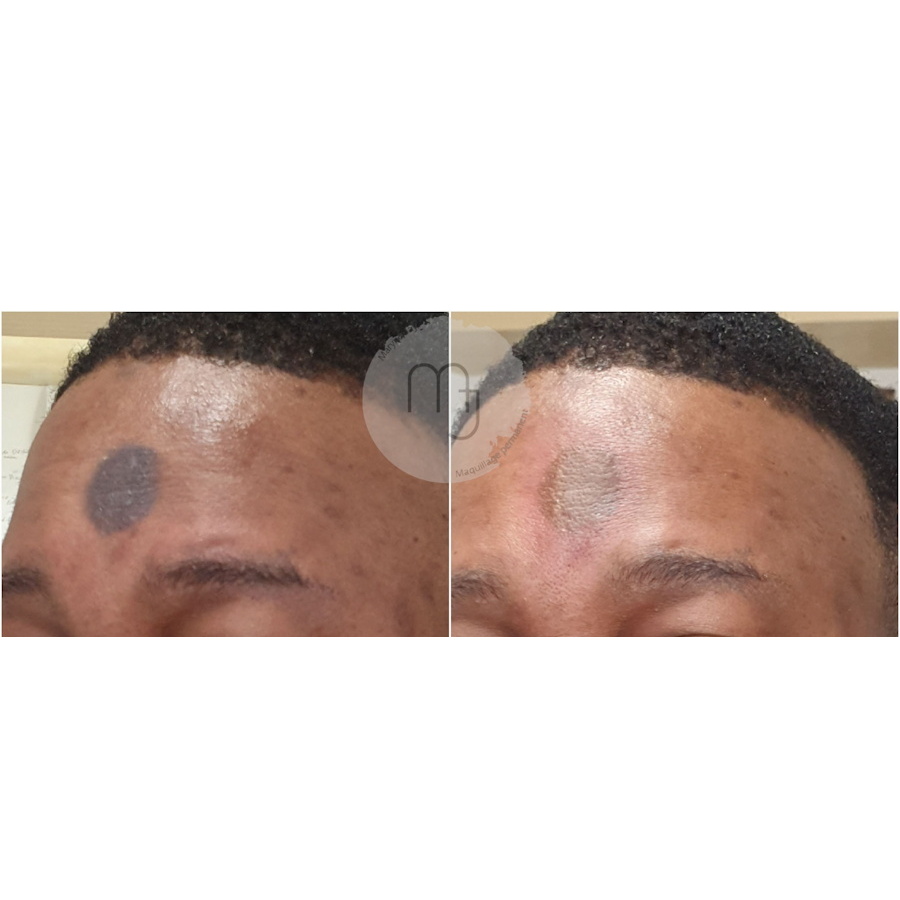
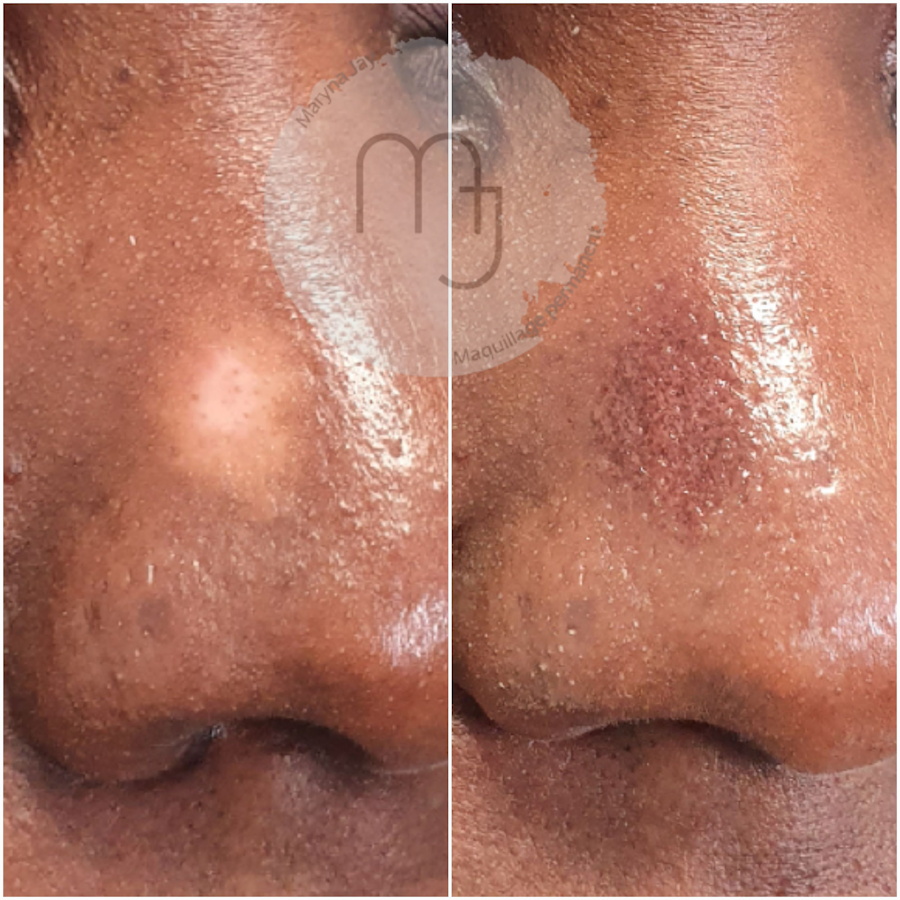
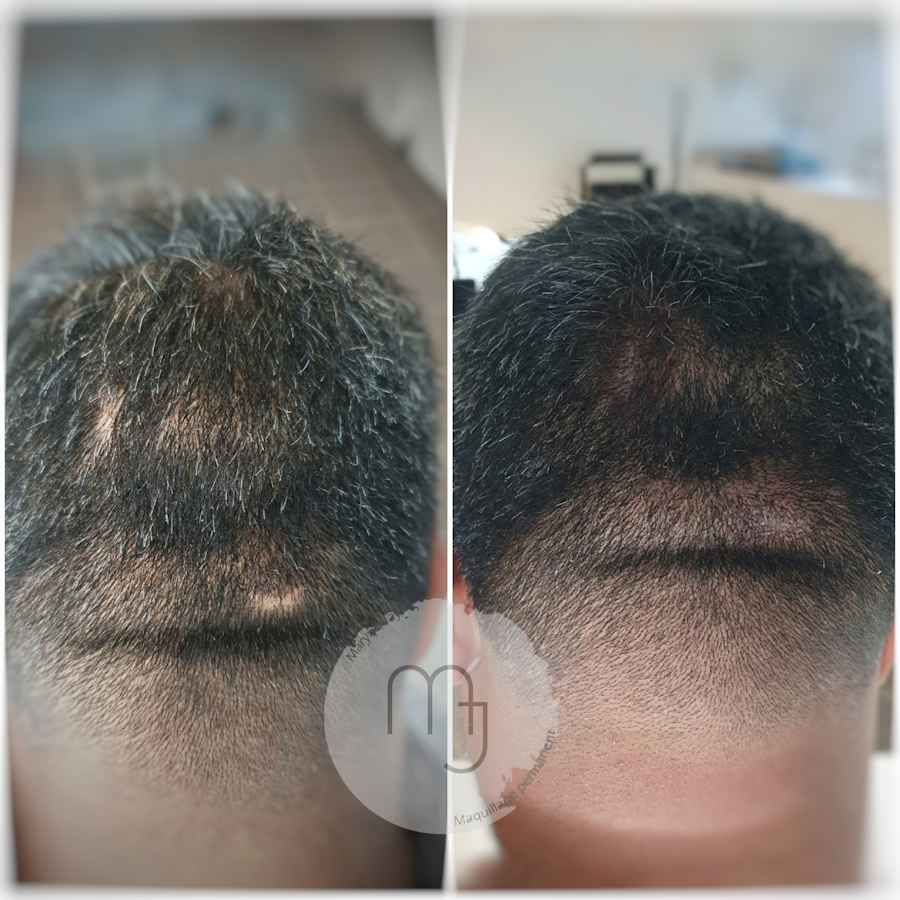
Restorative dermopigmentation can help reduce the visible appearance of certain scars and pigmentation irregularities by bringing their tone into closer harmony with the surrounding skin. The treatment relies on the careful selection of pigments in order to achieve a refined, natural-looking result, without an artificial or overly saturated effect.
Each treatment is individually tailored according to the nature of the scar, its colour, location, age and the specific characteristics of the skin.
Which Types of Scars Can Be Camouflaged?
Scar camouflage through dermopigmentation may be considered for a range of post-surgical or traumatic scars, including:
- blepharoplasty scars;
- periareolar scars; ;
- inframammary scars following breast augmentation;
- scars following breast lift or breast reduction surgery;
- C-section scars;
- abdominoplasty scars;
- facelift scars;
- scars following brachioplasty or arm lift surgery;
- scars following thigh lift surgery;
- certain scars resulting from burns or trauma.
Suitability always depends on the condition of both the skin and the scar. Some areas may require several sessions in order to achieve a sufficiently even and natural-looking result. For non-scar-related pigmentation irregularities, you may also wish to discover vitiligo camouflage.
Post-Surgical Scar Camouflage
Certain surgical procedures may leave scars whose colour continues to contrast noticeably with the surrounding skin.
Pigment camouflage aims to reduce this visible contrast by working directly on the colour of the scar. It may be considered following breast surgery, blepharoplasty, a C-section, abdominoplasty or facelift surgery.
For breast scars, treatment may involve only the area surrounding the areola, the inframammary fold, or more extensive scars such as vertical, inverted-T or anchor scars.
The objective is not to make the scar disappear entirely, but rather to make it significantly less noticeable to the eye.
A Highly Personalised Approach
The first stage is a consultation during which the skin and scar are carefully assessed, the suitability of camouflage treatment is evaluated, and expectations are discussed.
Colour-matching tests may be carried out in order to select a shade that closely reflects the natural skin tone.
The procedure is then performed under strict hygiene conditions, using sterile single-use equipment and pigments compliant with European regulations.
The treatment is progressive by nature. In many cases, working in stages is preferable, as this allows the skin’s response and the evolution of the colour after healing to be carefully assessed.
When Can a Scar Be Pigmented?
A scar should generally not be pigmented immediately after surgery.
It must first have healed sufficiently and be considered stable before dermopigmentation can be contemplated. A scar that remains red, inflamed, painful, actively changing or significantly raised generally requires more time and may also warrant medical advice.
Each case is therefore assessed individually before the first session.
How Many Sessions Are Required?
The number of sessions varies from one scar to another and depends on several factors, including:
- the scar’s initial colour;
- its length and width;
- its location;
- its age;
- the characteristics of the skin;
- the skin’s ability to retain pigment;
- the degree of contrast between the scar and the surrounding skin.
Some small scars may show a significant visual improvement after the first session. Others may require two or three sessions, or occasionally more in particularly complex cases.
The result is always assessed once the treated area has fully healed. You can also consult the scar camouflage price guide according to the area and extent of treatment.
Results and Colour Evolution
Immediately after the session, the colour may appear more intense than the final result.
Over the following weeks, the skin heals and the tone gradually softens. The final result is generally assessed several weeks after treatment.
An additional session may then be carried out to refine the shade, reinforce certain areas or further improve overall uniformity.
The aim is to achieve a subtle result that blends naturally with the surrounding skin tone and remains as discreet as possible.
What Scar Camouflage Can Improve
Dermopigmentation primarily addresses the difference in colour between the scar and the surrounding skin.
It may therefore help reduce the visible appearance of:
- scars that are lighter than the surrounding skin;
- certain pigmentation differences;
- certain colour irregularities following surgery or burns.
Dermopigmentation does not, however, remove a scar or directly alter its underlying structure.
A deeply indented, thick, hypertrophic or keloid scar will retain its texture and relief even after camouflage. In such cases, other treatments may need to be considered before pigment camouflage is appropriate.
A Personalised Approach in Paris
Every scar is unique and requires a precise assessment before treatment.
Le camouflage des cicatrices et brûlures fait partie de l’approche réparatrice proposée par Maryna Jay en permanent makeup in Paris. Le choix des pigments, la profondeur de travail et le nombre de séances sont adaptés à chaque peau afin de rechercher un résultat naturel et harmonieux.
An initial consultation makes it possible to determine whether your scar is suitable for treatment and to define the most appropriate pigmentation strategy.

 English